Career finance guide
Creative Industry Salaries in the UK: What Arts, Culture, and Media Professionals Actually Earn
Creative pay in the UK looks uneven because the sector mixes public funding, commercial production, touring work, charities, agencies and seasonal contracts. A parliamentary briefing using DCMS figures put median annual gross pay in the creative industries at £39,366 in 2023, which gives a useful benchmark before you read theatre salary UK adverts, museum posts or film industry pay.
£39,366
median annual gross pay in the creative industries (2023)
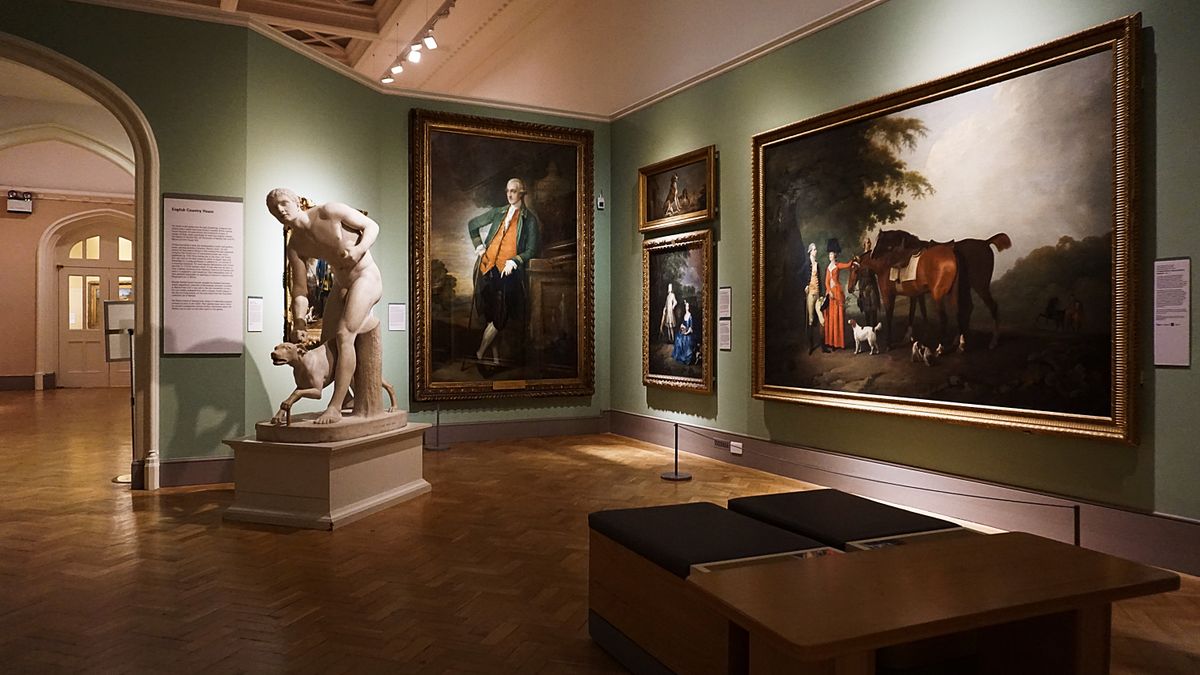
Museum jobs often sit below that median. A museum curator salary can start near the mid-£20,000s and move into the low-£40,000s with experience, while assistant curator, learning officer and collections roles may pay less outside London. Heritage roles follow a similar pattern because many employers rely on grant cycles, local authority budgets or charity funding.

Theatre pay has a wider spread. Box office, front-of-house and assistant producer roles can sit close to entry-level service-sector pay, while technical managers, production managers and senior fundraisers earn stronger salaries because they control schedules, equipment, budgets and risk. Dance organisations often mirror theatre.

Film, television and new media can offer higher day rates, yet the headline number rarely tells the full story. A runner, edit assistant or junior researcher may accept short contracts to build credits. A producer, editor or post-production supervisor can earn much better fees once they bring specialist software knowledge and a reliable record of delivery.

Marketing and PR jobs inside arts organisations often pay steadier salaries than performance work. The role usually covers audience data, ticket sales, sponsor reports and press relationships. That mix gives employers a clearer link between the post and income. A practical media jobs salary guide should separate advertised salary from take-home security.

The Freelance Reality — Managing Irregular Income in the Arts
Freelancing in the arts can work well, but it needs a budget built around gaps. Creative PEC’s research on screen freelancers describes pressure from unstable work patterns and argues for tax and benefit rules that fit project-based careers. That point matches everyday arts career financial planning: the danger rarely comes from one quiet week, but from three slow months after a busy run.
A freelancer needs a system that keeps business money separate from rent, food and travel. That system can stay simple. Open one account for tax, one for operating costs and one for personal pay, then move a set percentage every time an invoice clears.
These checks help turn irregular income into something you can manage without guessing. They suit actors, designers, arts marketers, technicians and independent curators because each group deals with late payments and uneven bookings:
- record every invoice date, due date, client name and agreed fee;
- keep tax money aside before you pay yourself;
- price travel, software, union fees, studio hire and insurance into your day rate;
- ask for deposits on long projects where the client controls the timetable.
Invoice financing can help if a confirmed payment arrives late, but fees can cut into already thin margins. Use it for timing, not to cover a rate that never worked.

Funding Your Arts Career
Creative career funding comes from several places, and each one suits a different need. Arts Council England explains that Developing Your Creative Practice supports individual creative and cultural practitioners who need time and space to develop their work. That type of funding can help with mentoring, research, training, collaboration or a shift into a new practice area.
Grants work best when you can explain the next step with plain evidence. A singer who wants a new showreel, a museum worker who needs collections training or a filmmaker who plans a short technical course can show a direct link between money and employability. Vague applications rarely hold up.
Bursaries from unions, trusts, universities and professional bodies can cover conference fees, access costs or short courses. Professional development loans need caution because repayments start whether the course brings paid work or not. Treat any loan as a cash-flow decision, then test the repayment against your lowest realistic month.

Salary Negotiation for Creative Professionals
Salary negotiation in arts jobs can feel awkward because passion often enters the room before pay. You can respect the mission and still ask clear questions. The strongest case uses evidence: recent adverts, required skills, weekend duties, management responsibility, grant reporting, ticket revenue targets and the cost of living in that region.
Start with the range, then discuss the job. If the employer cannot raise salary, ask about paid training, flexible hours, pension contribution, overtime policy, travel cover or a review date after probation. Those details change the real value of an offer.
Avoid apologising for the money question. Arts organisations run on skilled labour: curators protect collections, technicians keep shows safe, marketers fill venues, and producers hold complex schedules together. The work has cultural value, but it also has a market rate.
A steady plan helps you choose roles with fewer regrets. Compare salary, contract length, benefits, travel, training and portfolio value on one page.